
For coin, medal and token sellers
The $40 coin shouldn’t take $40 worth of your time.
Upload the batch of photos from your photo table. CoinPrep removes the backgrounds, organizes each item, identifies what you photographed, researches the pieces that need it, and drafts your listings. You review everything before anything leaves the tool.
You do the numismatics. CoinPrep does the desk work.
Cleaned, organized and named automatically.
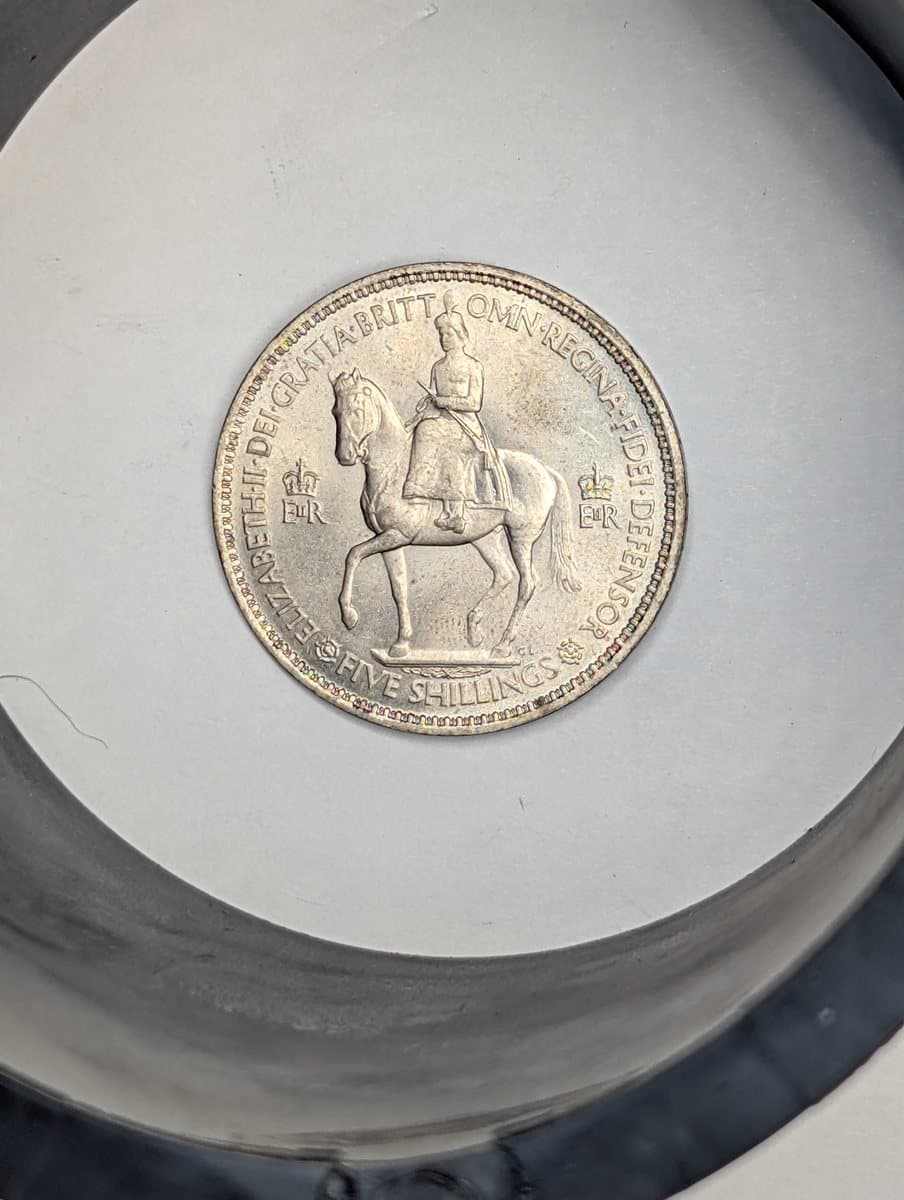
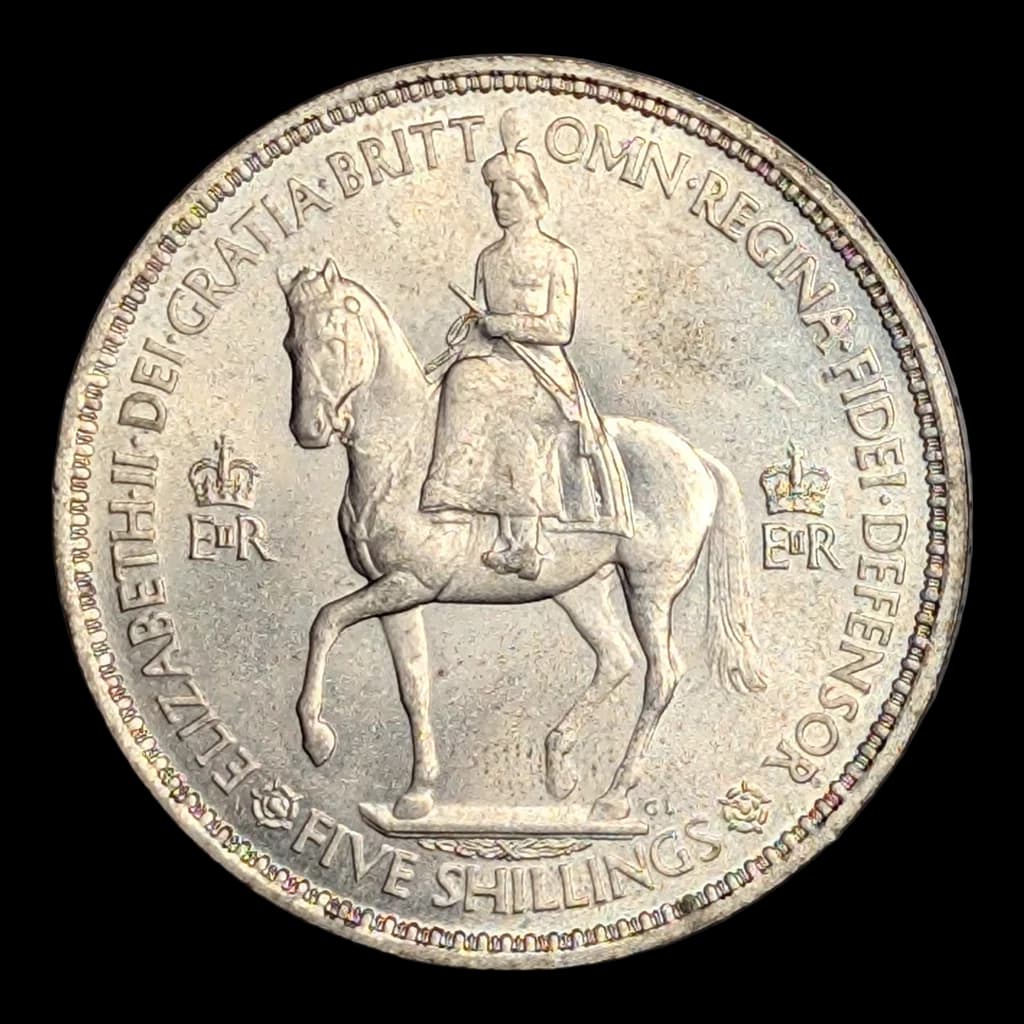
CoinPrep suggests a descriptive filename from the piece it identifies, then numbers every photograph of that same item for you. No more renamingIMG_4821.jpgby hand.
- 1953-elizabeth-ii-coronation-crown-1.jpg
- 1953-elizabeth-ii-coronation-crown-2.jpg
No card required · Your photographs are not redrawn · Nothing publishes without your approval
You photograph it. CoinPrep does the work.
You review everything before it leaves the tool.
 PhotographTake photos of your inventory
 OrganizeGroup your photos by item
- CleanRemove backgrounds and prepare images
 NameSuggest and apply meaningful filenames
- IdentifyIdentify each coin, medal or token
 ResearchFind references and comps when needed
 PriceSuggest a selling price when possible
 DraftCreate ready-to-use listings
CoinPrep takes care of these steps
- DownloadYour images and CSV, ready to list
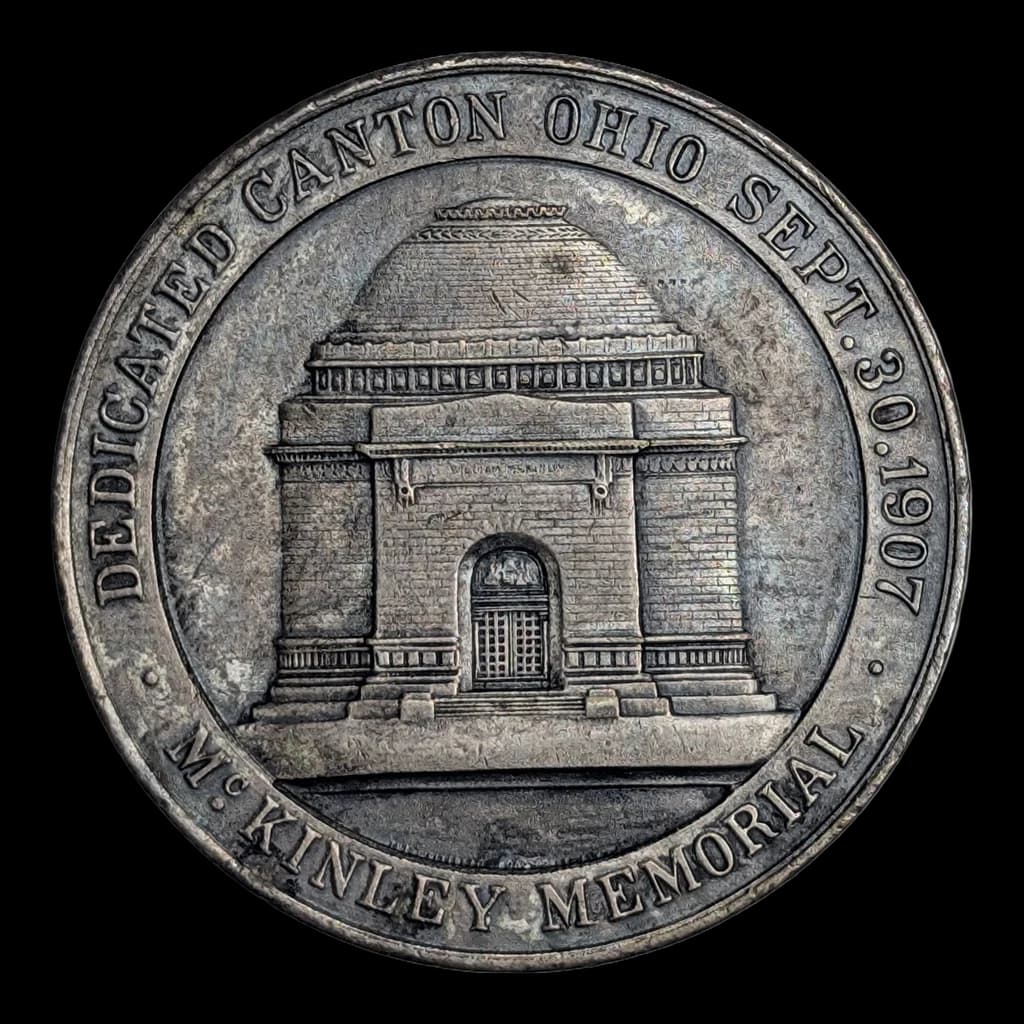
The piece shown is a 1907 McKinley memorial dedication medal from our own stock, as photographed and as the tool returned it. Nothing is retouched after the cut. It came back named:
1907-mckinley-memorial-dedication-medal-1.jpg
Some inventory is not difficult to sell. It’s difficult to find the time to list.
The $40 medal should not take $40 worth of your time.
Built for raw coins, medals and tokens.
Whatever is on the table comes back the same way: a worn cent, an irregular medal with a suspension hole, a token nobody has catalogued. The background goes and the piece stays exactly as you photographed it.
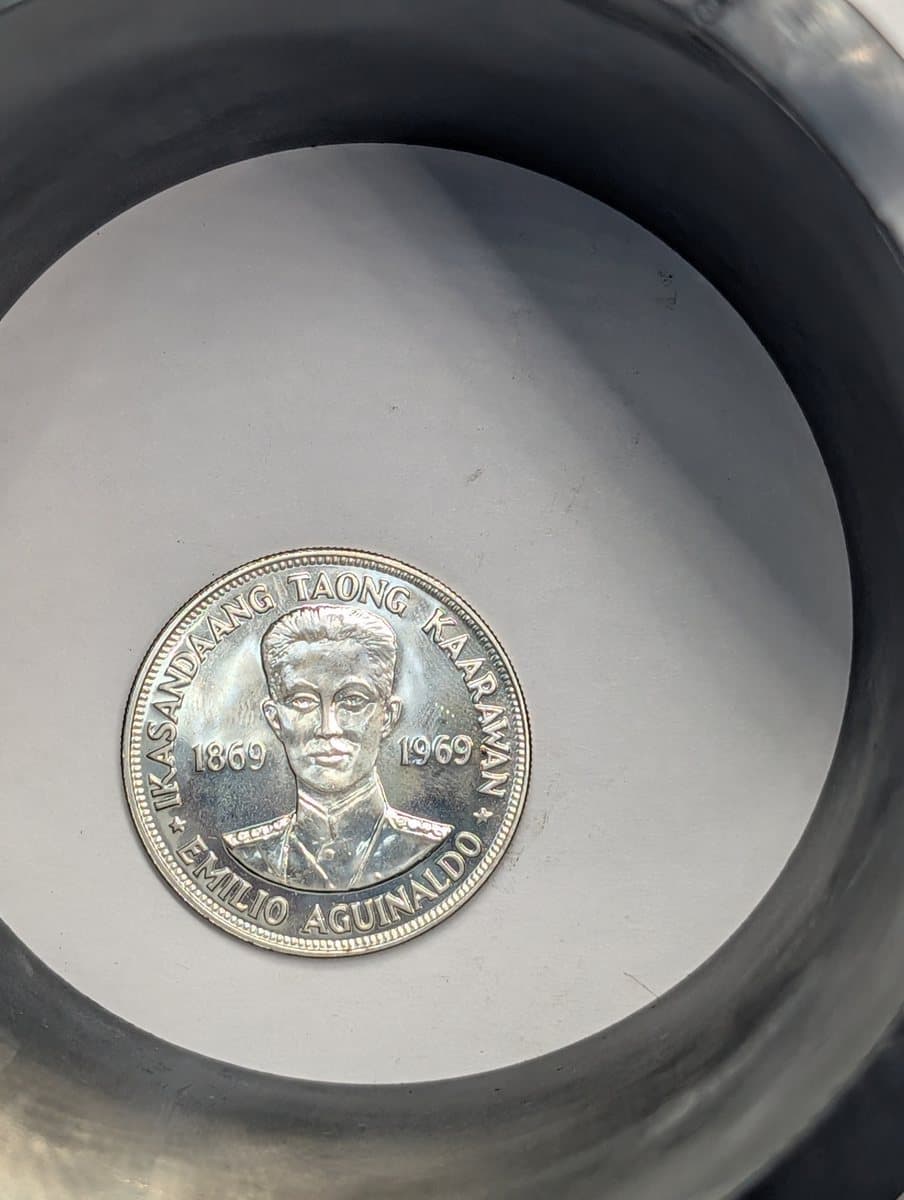
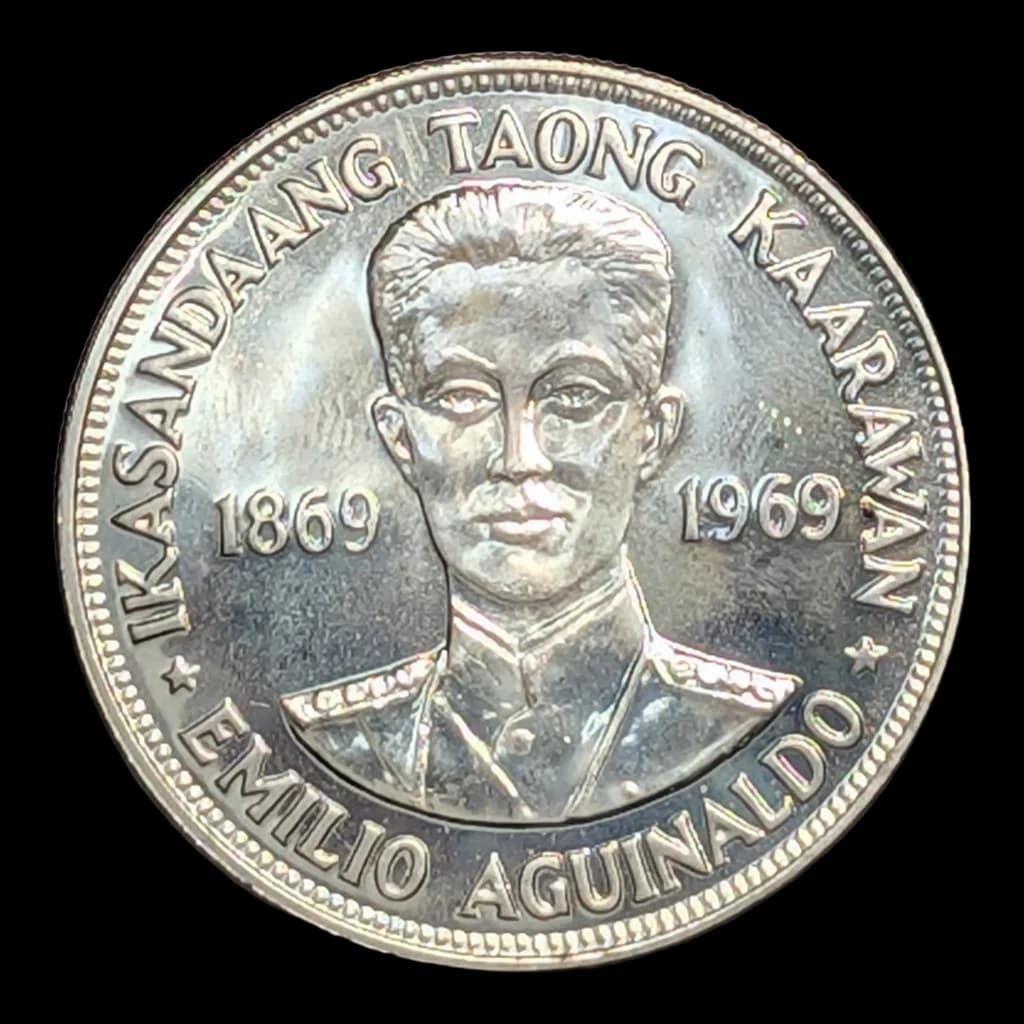
A raw coin on the table
A 1969 Philippines piso, shot on a phone. The background goes; the toning, the contact marks and the wear stay exactly as they are.
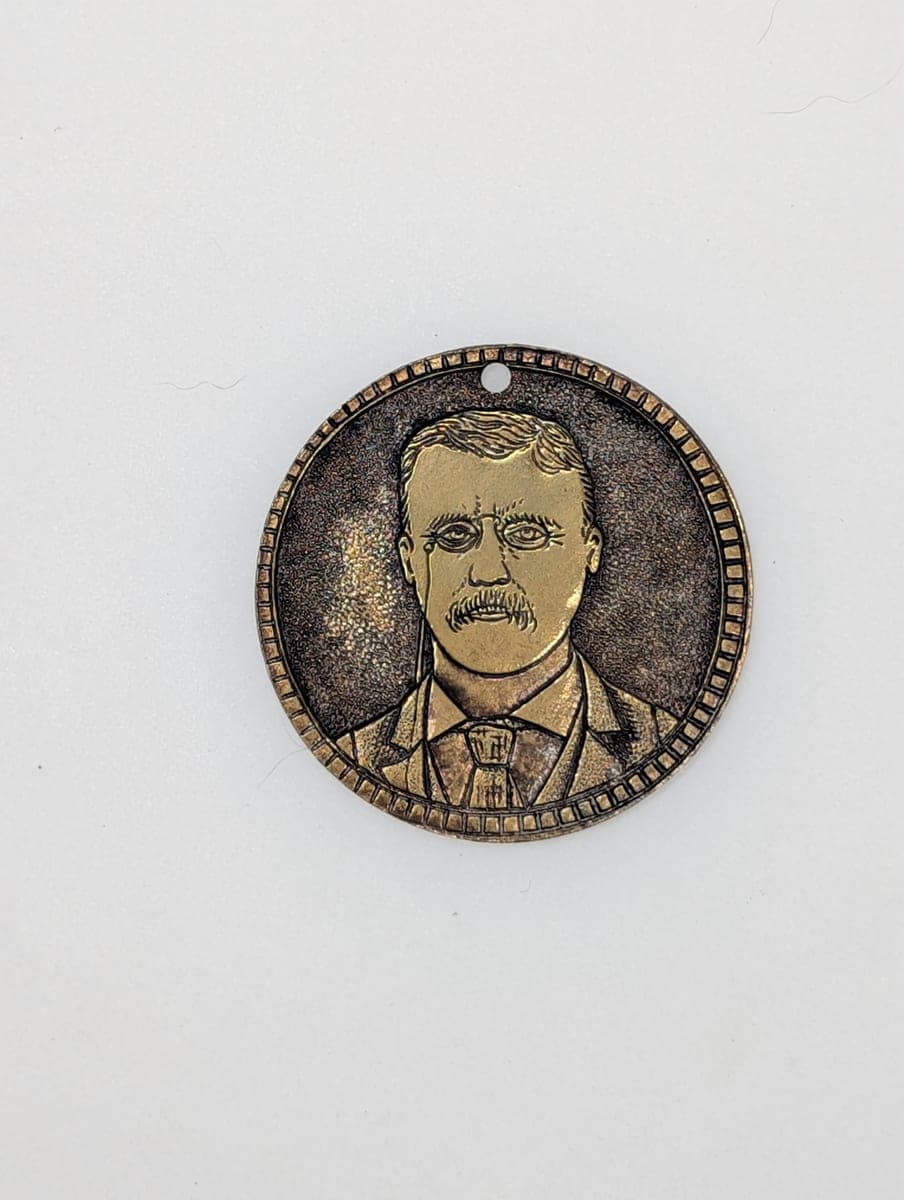
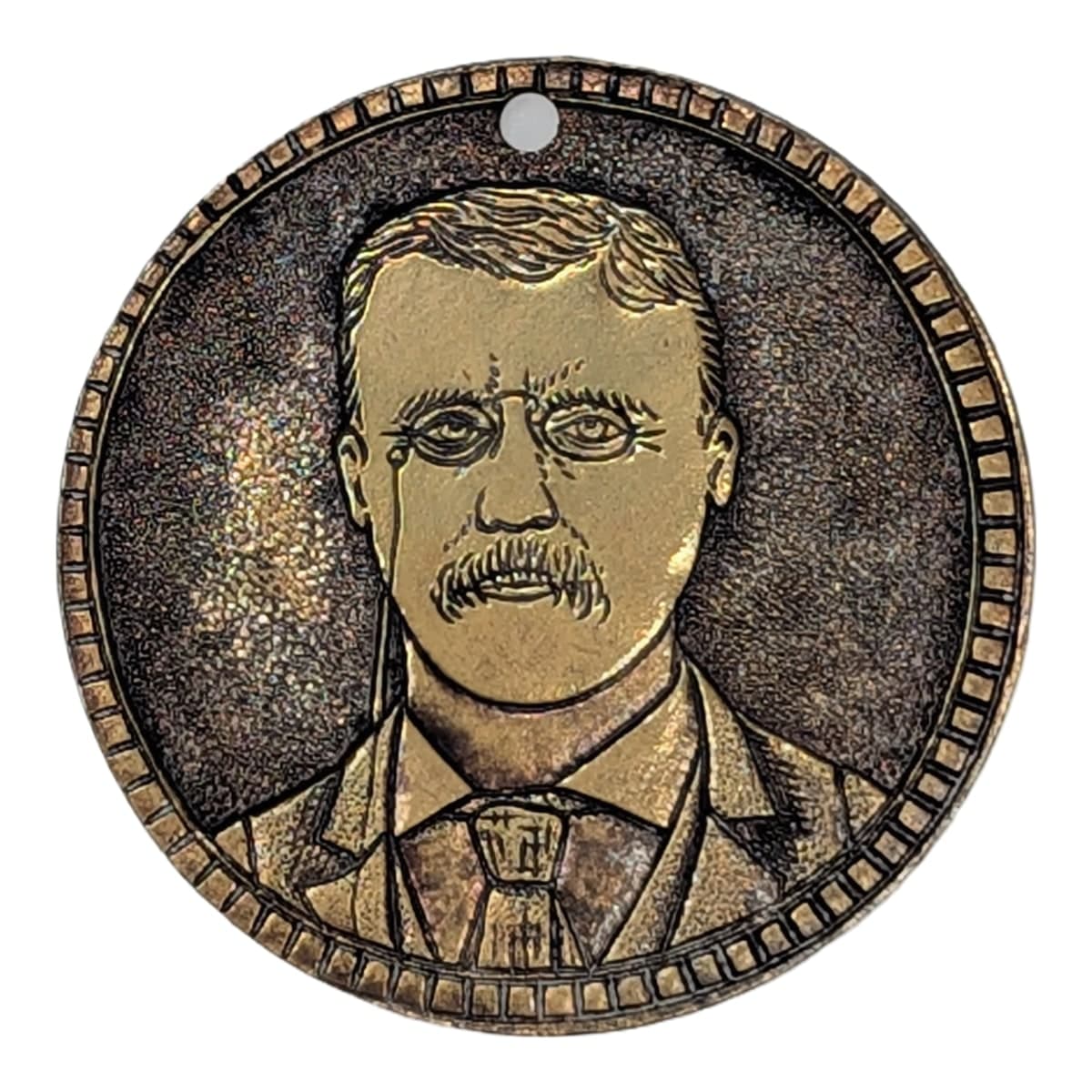
A medal or token
Irregular shapes, suspension holes and high relief. The cut follows the real edge, hole and all; nothing is redrawn.
One sitting. One set.
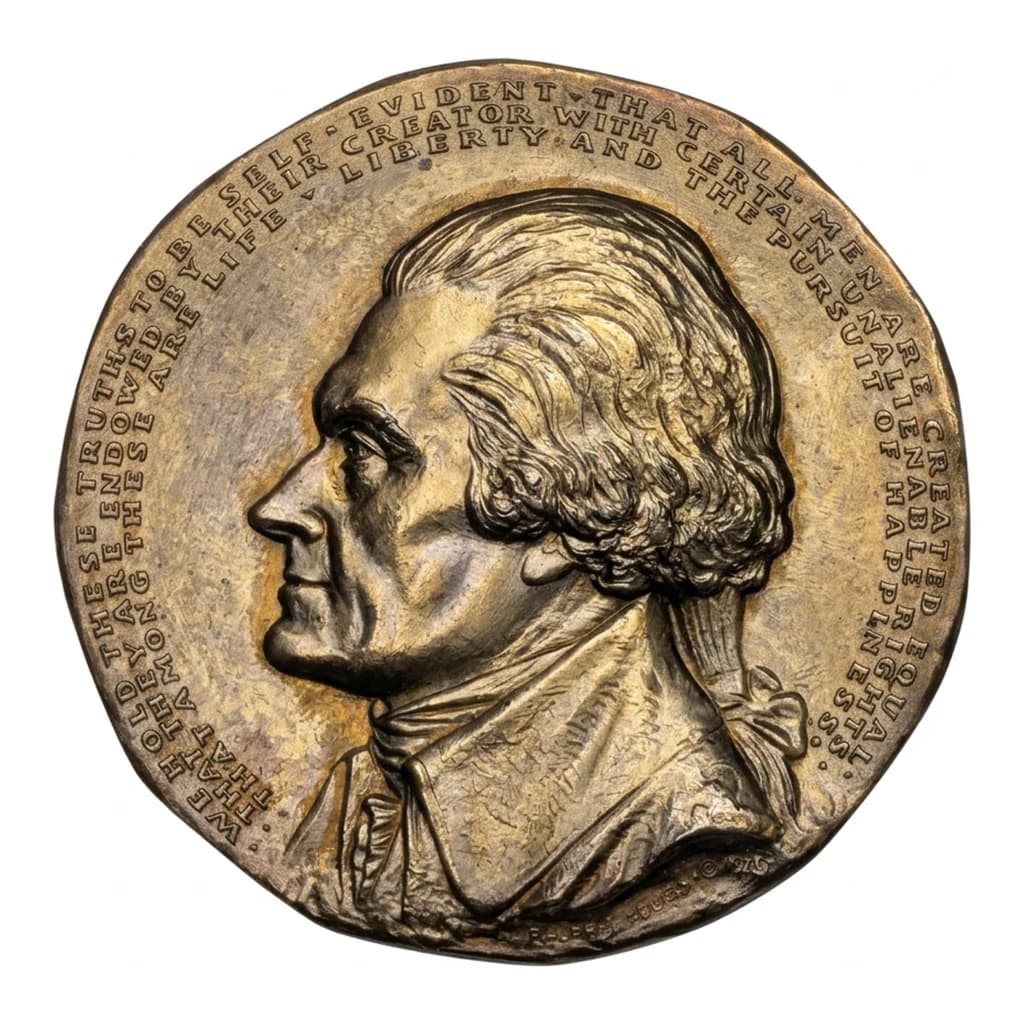
A dime and a dollar fill the same frame. Same size, same framing, same background, every time, so a grid of your listings reads as a catalog, not a camera roll. White, black or transparent, chosen on the way out.
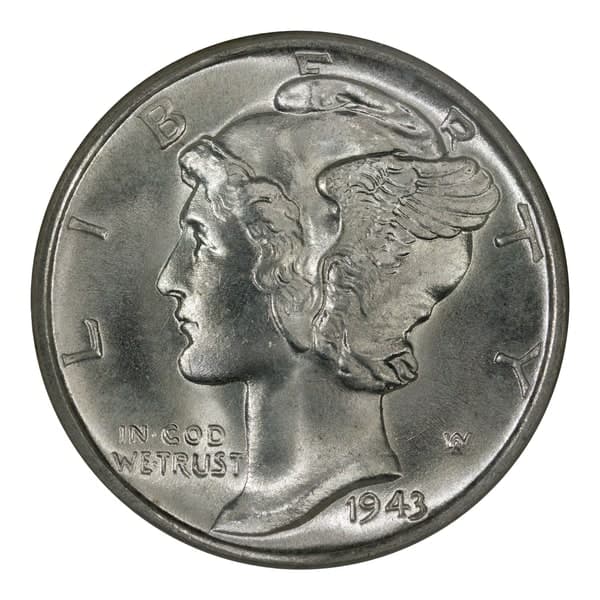
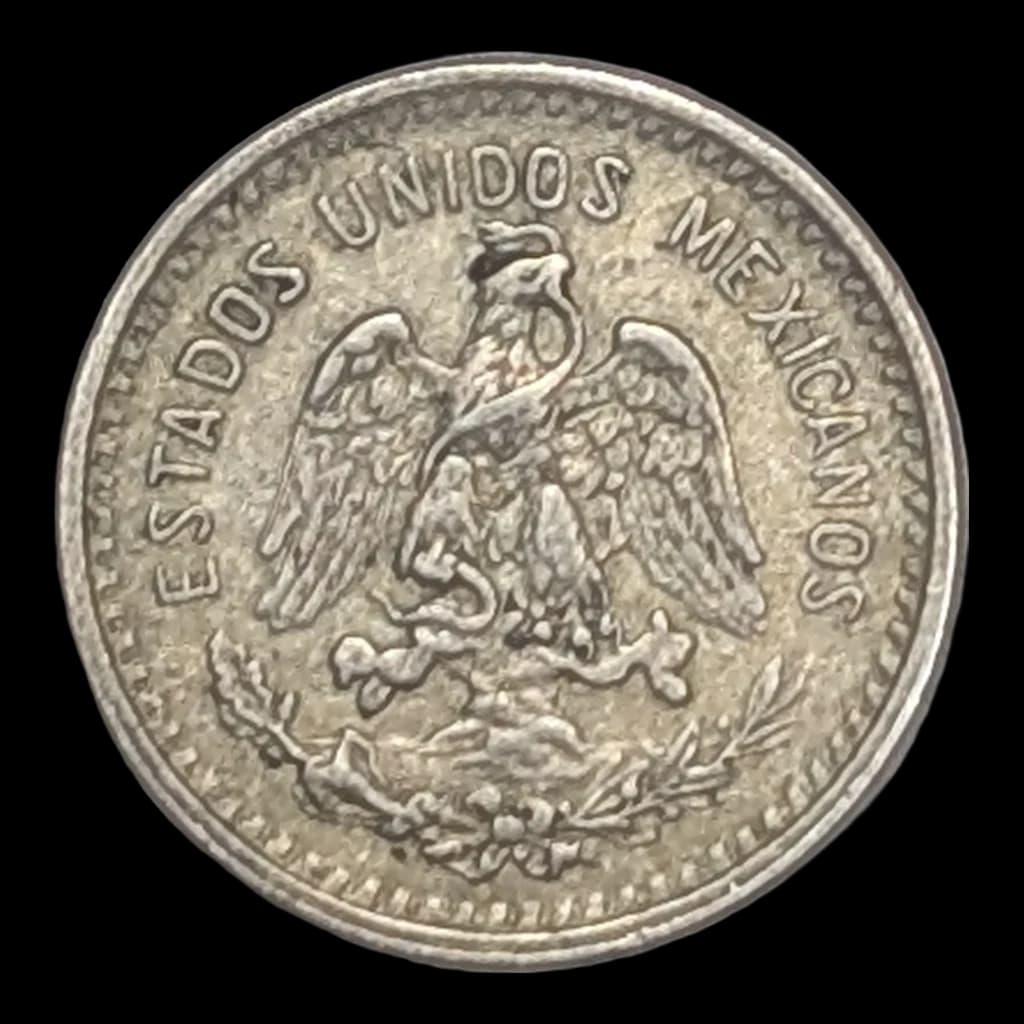
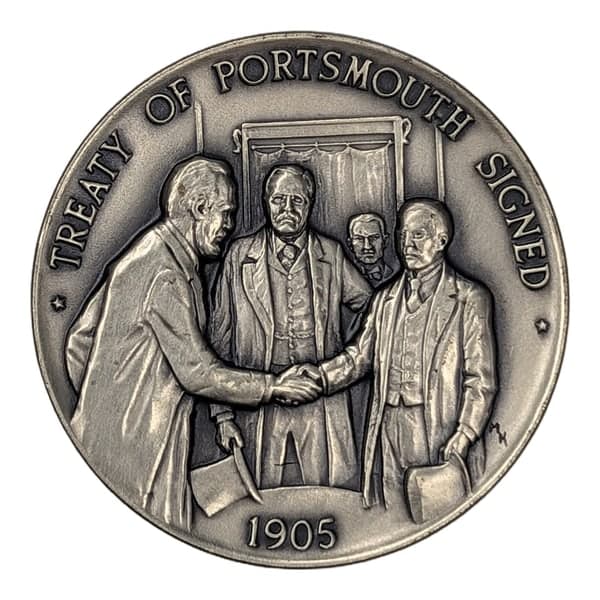
How it works
Step 1
Upload the batch of photos
Drag in a folder straight off the phone or camera. JPG, PNG, WEBP and HEIC, any size, up to six shots per piece.
Step 2
Every piece is cut out and framed
The background goes. The coin stays exactly as you photographed it. If a rim got clipped or the shot was cut off at the edge, that one is flagged so you can take a look. A crooked coin gets straightened, in two-degree steps.
Step 3
Group, identify, name and export
Tick the shots of one piece. Press Identify and it reads the photographs: series, date, mint mark, metal, a descriptive grade, a title and a description ready to edit, and it suggests the filename the images should carry. Press Attribute and it searches for the catalog reference and the published size. Press Deep Research and it also looks for comparable sales. Download a ZIP of named, numbered images with a CSV, one row per item.
One piece, all the way through.
Photographs off the phone, the same photographs cleaned and named, and the listing CoinPrep drafted from them. This is a real piece out of my own inventory and real output, unedited.
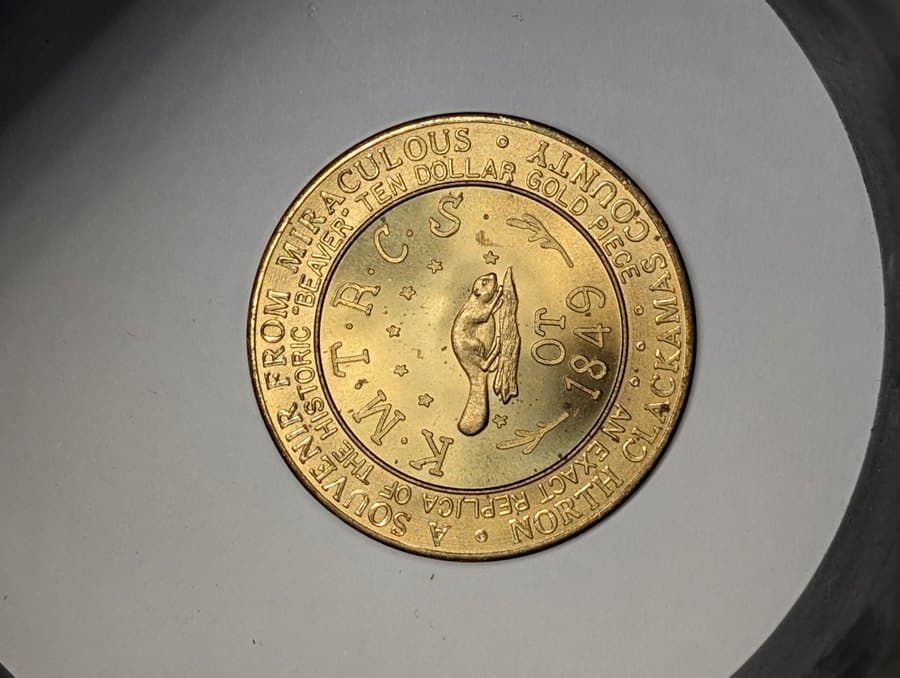
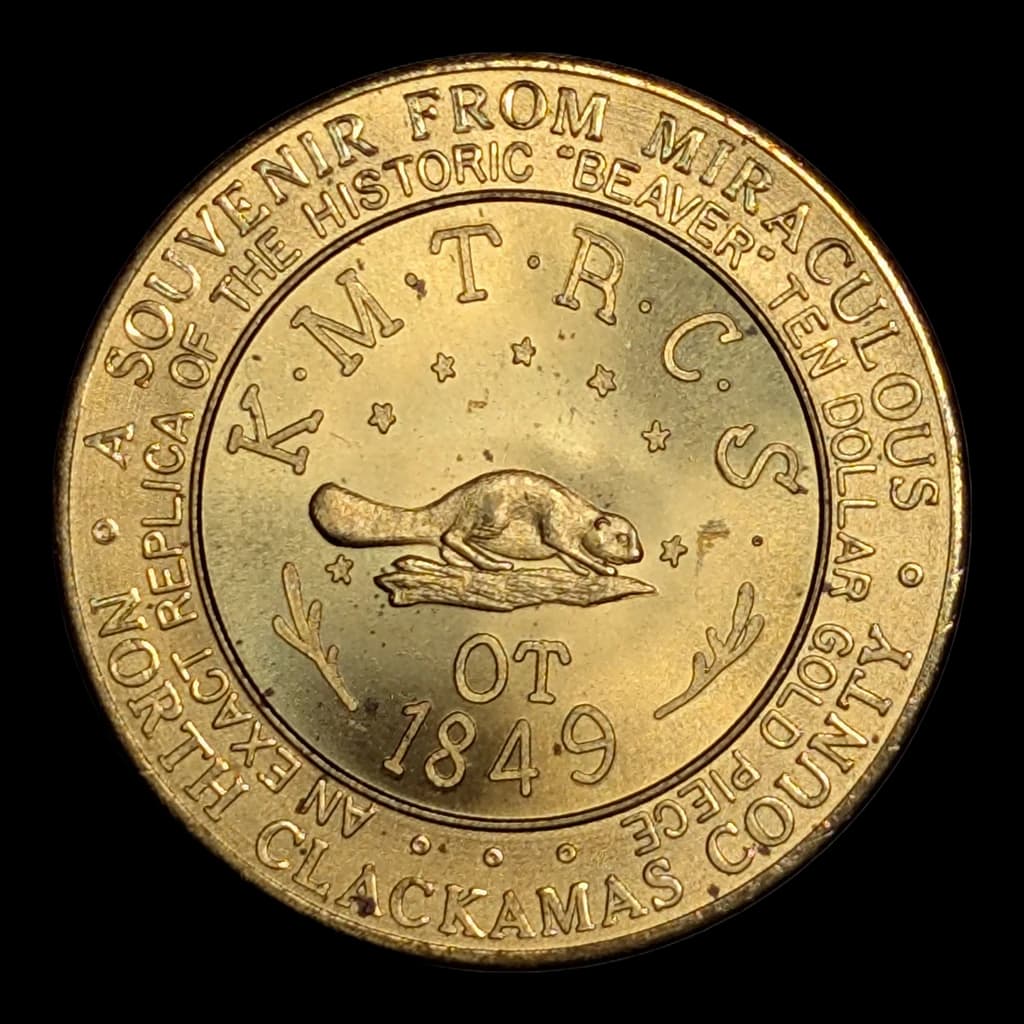
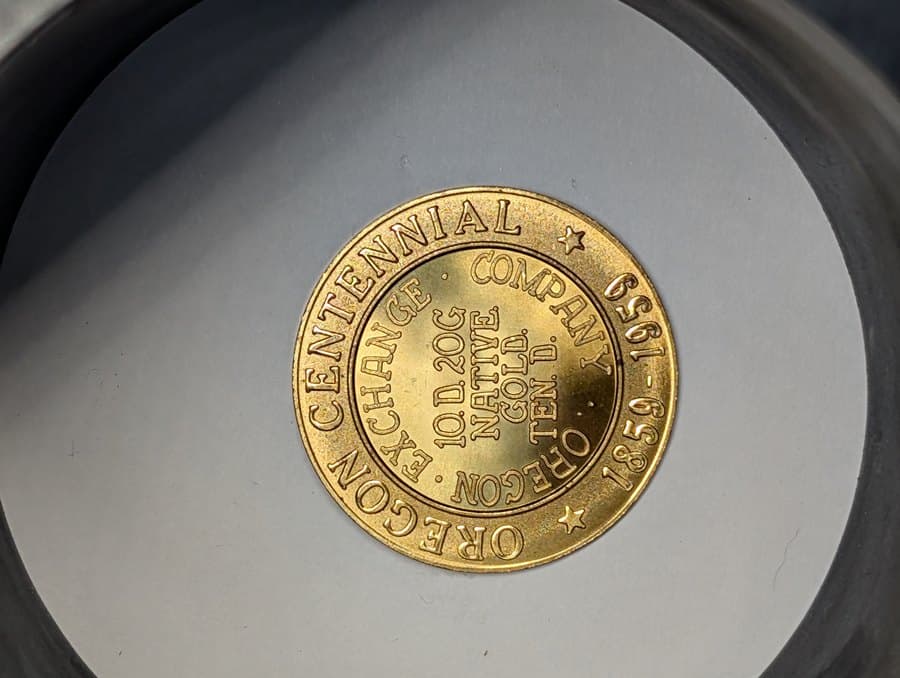
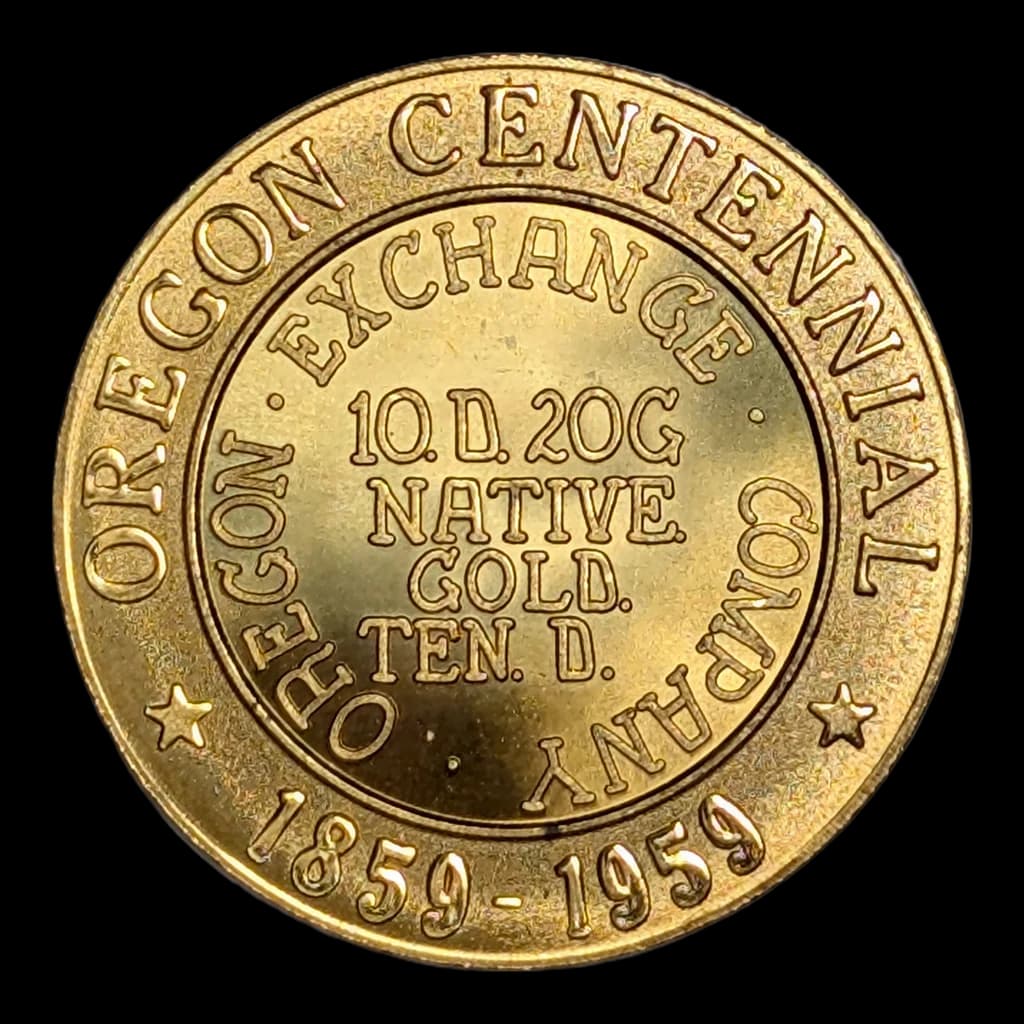
And the listing CoinPrep drafted from them
Deep Research · 16 credits- Suggested filename
- 1959-oregon-centennial-beaver-token-hk-573-1.jpg
- Identified as
- 1959 United States Oregon Statehood Centennial so-called dollar (Oregon Beaver Dollar) · Oregon Statehood Centennial, 1859-1959
- eBay title
- 1959 Oregon Centennial Beaver Dollar HK-573 North Clackamas County Uncirculated
- Condition
- Uncirculated. Bright golden oreide surfaces with mint bloom intact; the beaver, the lettering and the raised outer band show no wear, and the piece appears uncirculated. Scattered small dark specks and carbon-like flecks are visible in the obverse center field around the beaver and, more lightly, in the reverse center. A few very small rim nicks and a shallow scuff show along the edge, most noticeable at the lower left of the obverse as photographed. No holing, mounting evidence or plating traces are apparent in these images.
- Catalog reference
- HK-573
- Estimated selling price
- $15 - $25Quick sale $8 - $12 · One European dealer listing of an uncirculated brass example (38.70 mm, 15.80 g) sold at $23.17 on MA-Shops; CoinAppraiser publishes an approximate $5 figure for the type; Stack's Bowers grades the issue Rarity-1 (common) with 20,000 struck. No recent US sold-price record for a raw example was located.
- Item specifics
- Year: 1959 · Reference: HK-573 · Type: So-Called Dollar · Composition: Oreide (brass alloy) · +8 more
- Check before you list
- The arc of initials above the beaver is not fully legible here; the original coin reads K.M.T.A.W.R.G.S. for the company's eight members, so confirm the die matches before transcribing it in the listing.
- Diameter figures conflict: Hibler-Kappen and Stack's Bowers give 38 mm, one dealer listing measured 38.70 mm, and several dealer pages repeat 39.7 mm. Measure the piece.
- +4 more
View another example all the way throughA Civil War store card, and the one where it refuses to name the catalog number, tells you which book to open, and says the piece may have been cleaned.
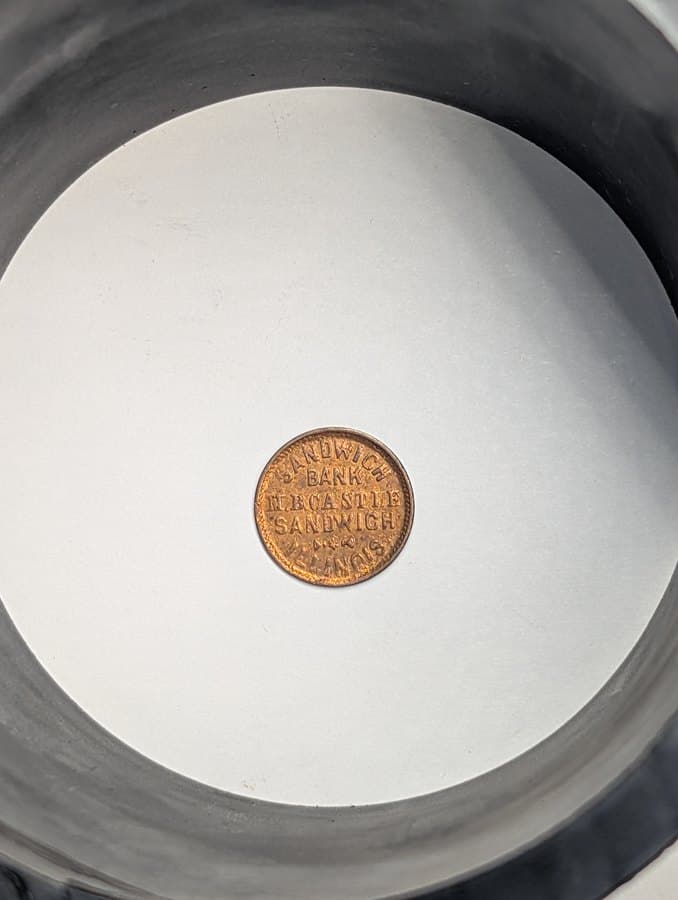
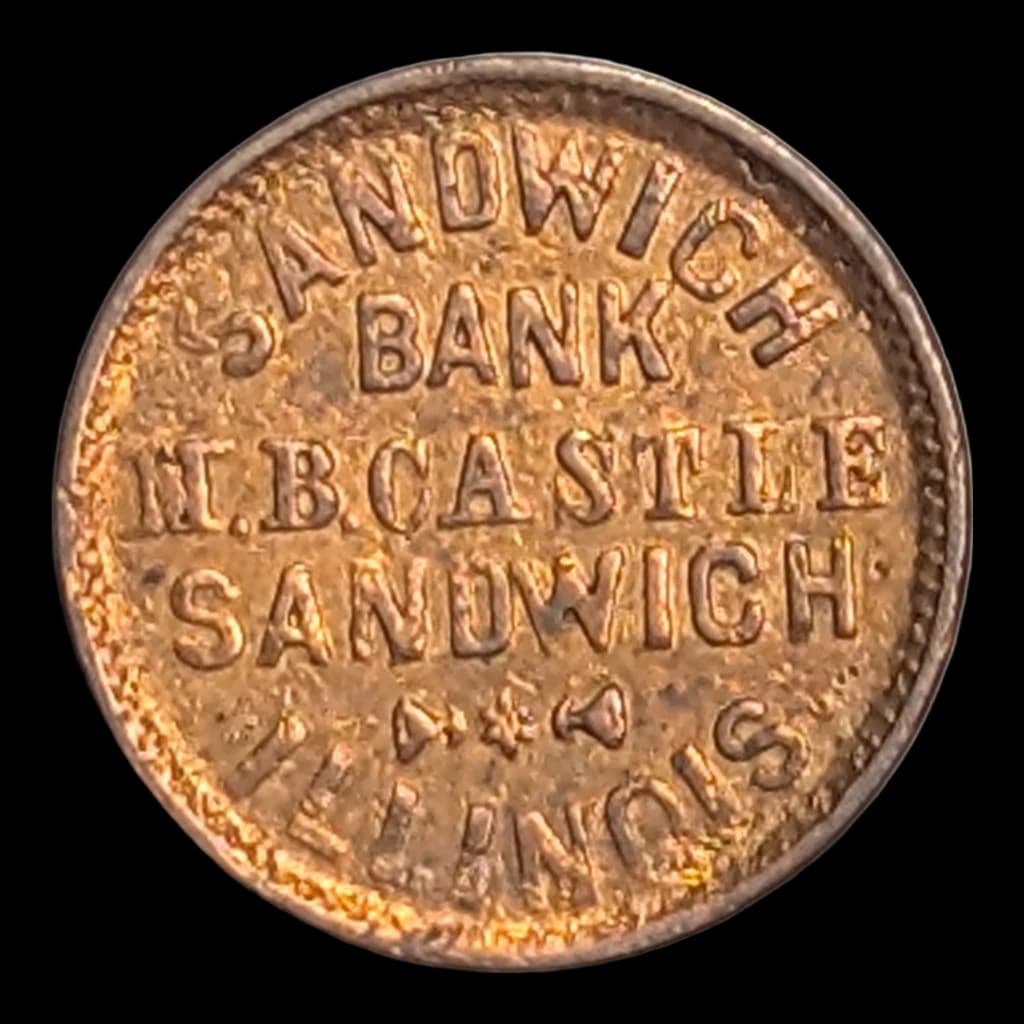
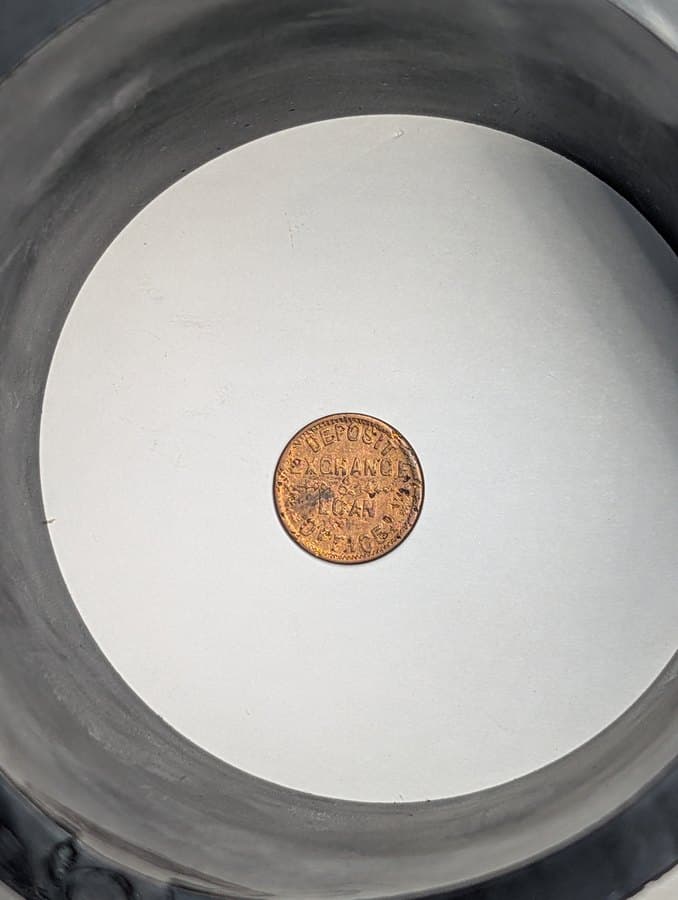
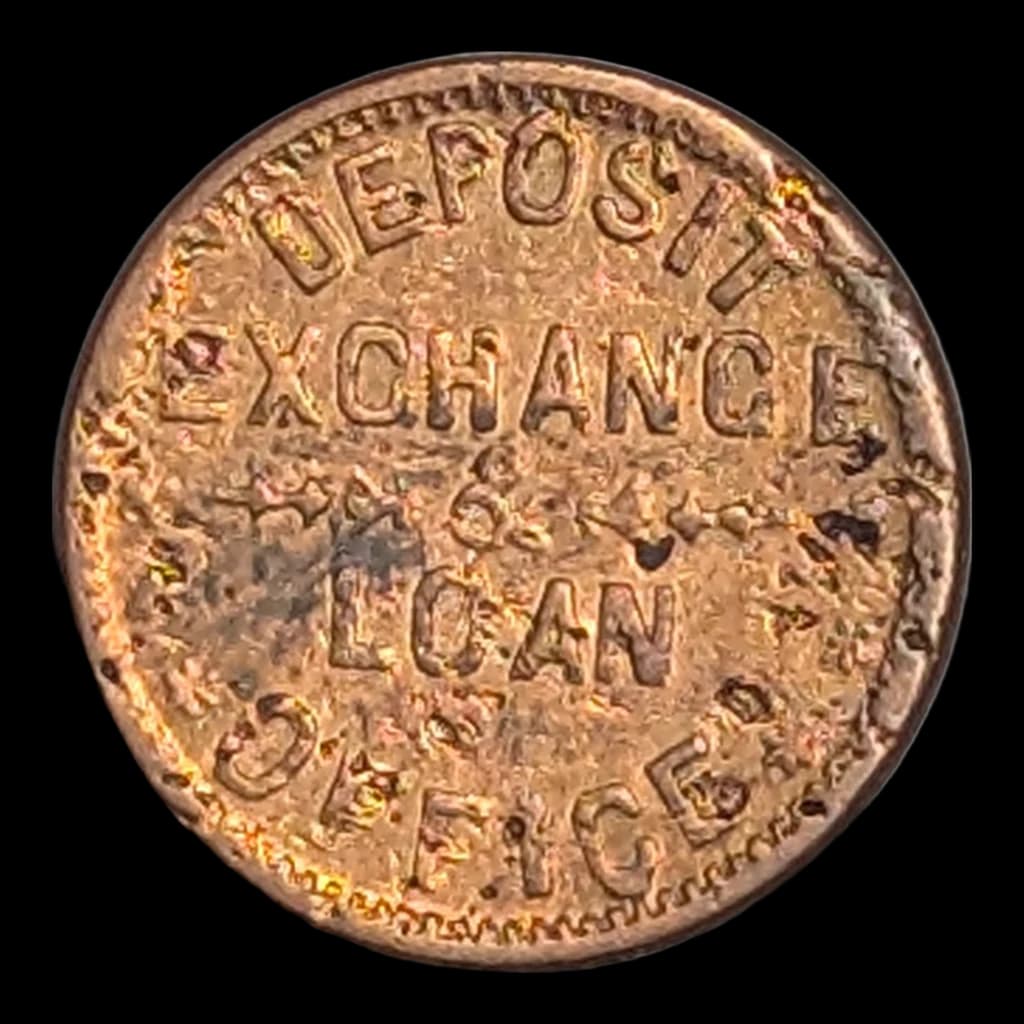
And the listing CoinPrep drafted from them
Deep Research · 16 credits- Suggested filename
- sandwich-bank-illinois-civil-war-token-nb-castle-1.jpg
- Identified as
- United States Civil War store card · Sandwich Bank (M.B. Castle), Sandwich, Illinois
- eBay title
- Sandwich Bank M.B. Castle Sandwich Illinois Civil War Store Card Token Copper
- Condition
- Extremely Fine. All of the lettering on both sides is complete and sharp, with only light rub on the highest points of the letters and the beaded border, and the beading is visible around most of both rims. The surfaces are granular rather than smooth, with scattered dark specks and small pits, and there is a darker area at the upper right of the reverse and shallow roughness through the reverse center. The copper is a bright orange-red that does not look like undisturbed original surface, so the piece may have been cleaned or brightened at some point; no holes, edge bumps or mounting evidence are visible in these photographs.
- Catalog reference
- No number confirmed. Which reference to check:Fuld, "U.S. Civil War Store Cards," Sandwich, Illinois — the Castle bank listing; the die combination and metal suffix were not independently verified, and published sources disagree on the issuer's initial.
- Estimated selling price
- No reliable comparable sales found; you set the price
- Item specifics
- Type: Civil War Store Card · Country/Region of Manufacture: United States · Region/State: Illinois · City: Sandwich · +6 more
- Check before you list
- Examine the initial before "B. CASTLE" under magnification: sources split between M.B. Castle (the banker Miles Beach Castle) and W.B. Castle, and the reading may decide the Fuld die/merchant listing.
- Confirm the exact Fuld number against the printed reference before advertising one: market listings for this copper bank card are usually cited as IL 775A-1a (R-5), while at least one cites a 775A-2a (R-3).
- +4 more
Why I built CoinPrep
I built CoinPrep because I dreaded the desk work that came with buying a new collection.
Photographing the pieces was easy. Then came opening every image in Photoshop, cropping and rotating it, removing the background, resizing it, saving it with a useful filename, working out exactly what the item was, searching for references and comparable sales, writing the description, pricing it, and finally creating the listing.
That work was especially hard to justify on lower-value coins, medals and tokens. I might buy a group of 50 new pieces, each with a likely selling price of $10 to $100, then spend days photographing, identifying, researching, pricing and preparing listings for all of them.
Some inventory is not difficult to sell. It’s difficult to find the time to list.
So I built the tool I wanted for my own inventory. CoinPrep takes a batch of raw photographs, cleans and organizes them, suggests and applies meaningful filenames, identifies each item, researches the pieces that need more work, helps estimate a selling price when reliable market information is available, and drafts the listings for me to review.
It has saved me an enormous amount of time, particularly on the pieces I used to keep putting aside because I simply did not have time to list them.
I am still the numismatist. CoinPrep handles the desk work.
Richard Ferguson · coin and medal seller · built CoinPrep for his own inventory first
Built for a numismatist, not a stock photographer
Your coin, untouched
Most background removers redraw the coin to get rid of the table, and the lettering shifts, the toning changes, a worn rim comes back sharp. This one only removes what is around the coin. What you photographed is what the buyer sees.
It tells you when to look
Every cut-out is checked. A clipped rim, a shot that ran off the edge of the photo, a piece that came back too small: those get a flag on the card. Nothing is thrown away for you; you look, and you decide.
You pay for what you use
Two credits cut out a coin, up to six photographs of it. One more identifies it and writes the listing. Five looks it up online. Eight goes deep. Nothing is spent until you press the button.
Simple pricing
Start with 20 credits free, no card, and 20 more every month. Two credits cut out one item, up to six photographs of it. One more identifies it and writes the listing. Pick the plan that matches how much you list.
Starter
$9 a month
100 credits · 9c a credit
Collector
$19 a month
250 credits · 7.6c a credit
Most dealers
Dealer
$29 a month
500 credits · 5.8c a credit
Ready when the photos are.
Upload a sitting tonight, list it tomorrow.